Setup: Enter PIN code & peril
Tell Plutas where your farm is located and which weather risk concerns you most. You can stack multiple perils on the same PIN code across different crop phases.
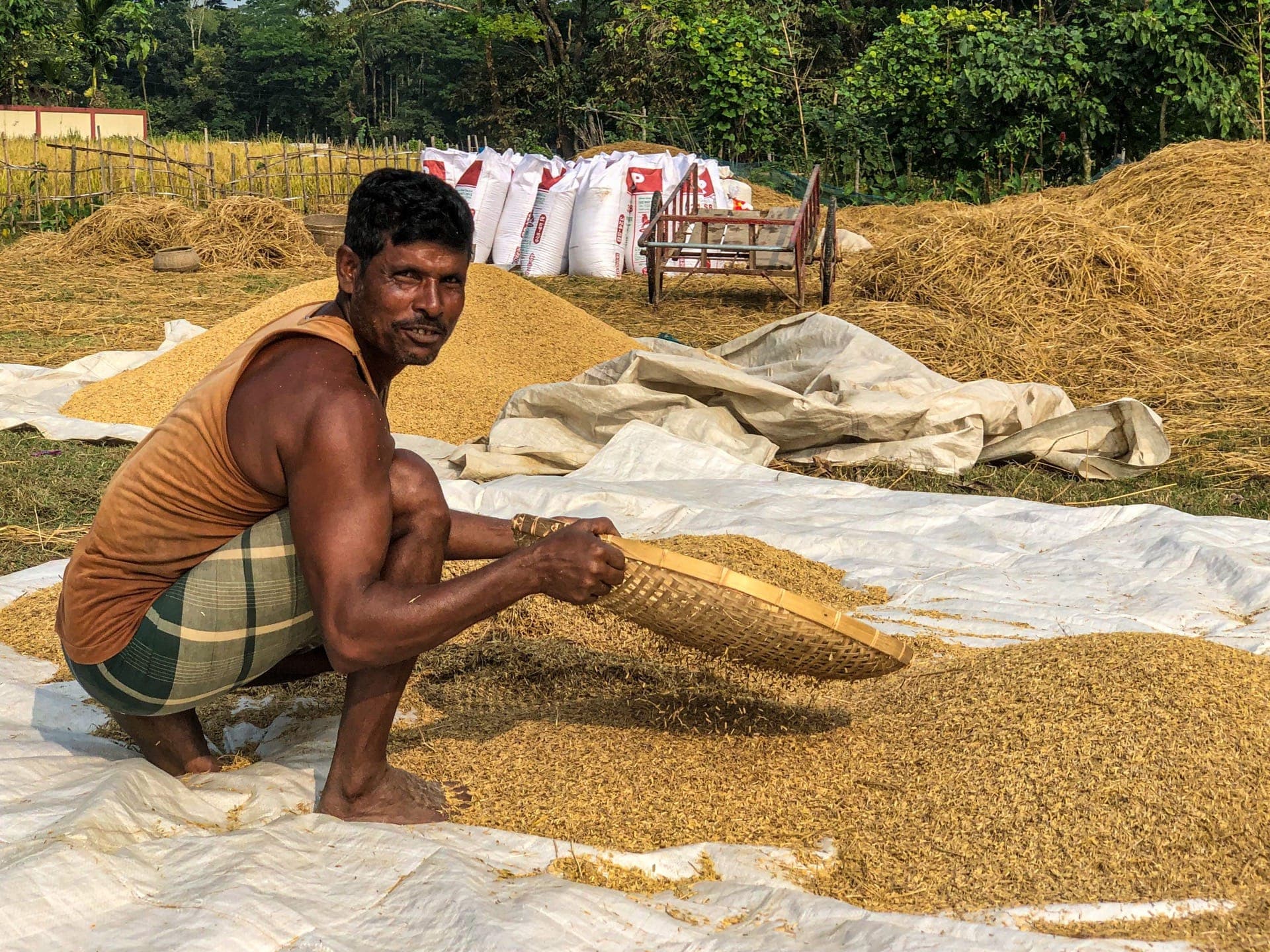
Weather-indexed insurance for smallholder farmers in India
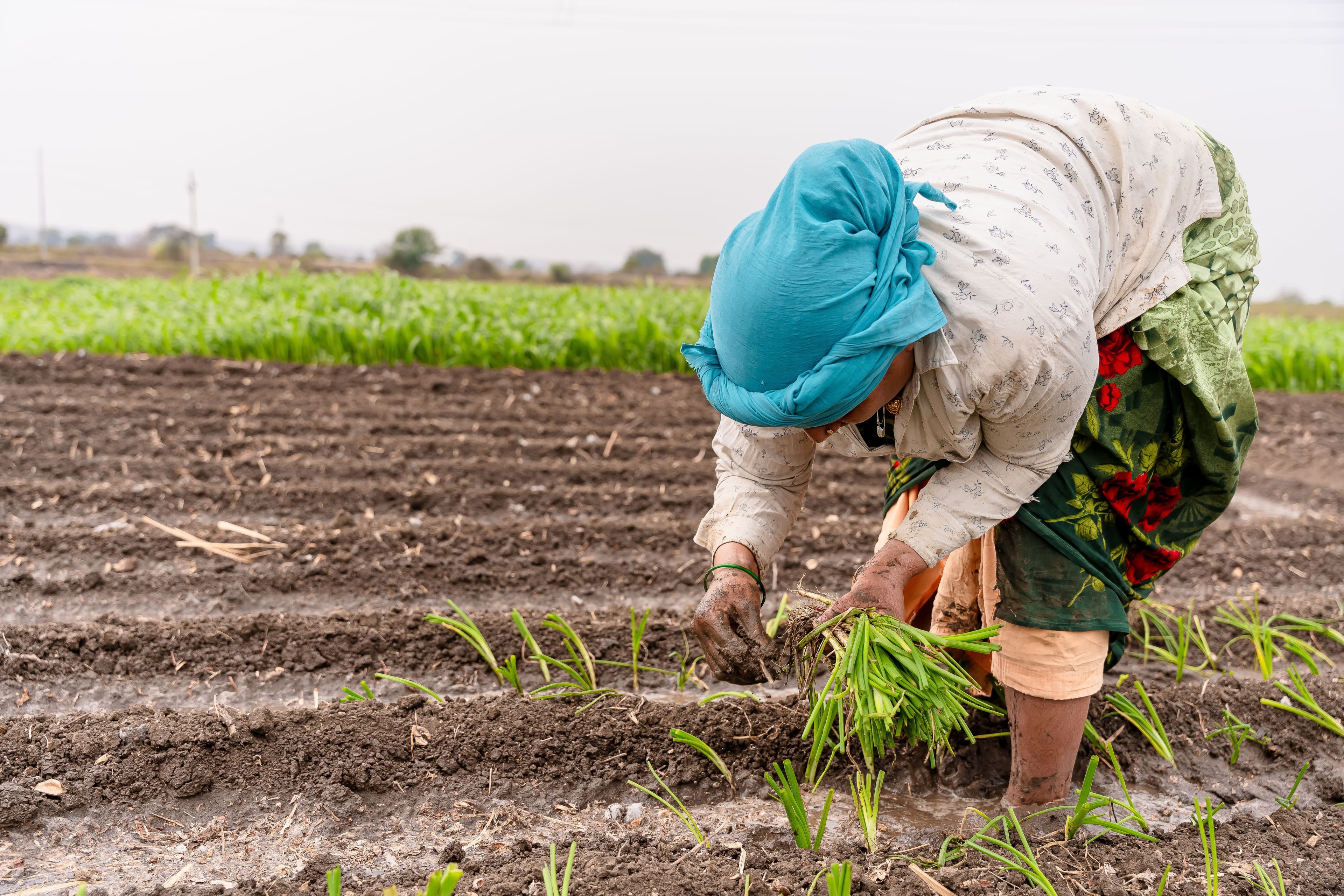
Why Plutas
Built for cultivators, tenant farmers, and agricultural workers, this parametric insurance solution combines weather intelligence, climate analytics, and risk expertise to provide fast and transparent protection against climate-driven crop and income disruptions.
Seasonal Income Can Collapse
A failed kharif or rabi season can erase a farmer's yearly earnings. Yet fertiliser costs, labour payments, input loans, and household expenses continue accumulating regardless of crop performance.
Tell Plutas where your farm is located and which weather risk concerns you most. You can stack multiple perils on the same PIN code across different crop phases.
Choose the crop stage you want to cover, from sowing to harvest. Set your Strike Point and insured amount based on your expected seasonal input costs and weather exposure.
Size your policy and pay digitally using UPI, net banking, or cards. Your certificate is issued instantly with no agent visit, paperwork, or office appointment required.
IMD and ERA5 data are continuously monitored at your farm's PIN code. The payout is transferred directly to your registered bank account or UPI once validated.
Use cases
Rainfed farmers face severe crop losses from droughts and excess rainfall during sowing, flowering, and harvest stages. Parametric weather insurance triggers automatic payouts based on verified rainfall conditions at the farm's PIN code.
Get protectedCotton and pulses farmers face dry spells, excess rainfall, and flowering-stage weather disruptions that sharply reduce yields and crop quality. Parametric weather insurance helps cover input costs through automatic weather-triggered payouts.
Get protectedVegetable and horticulture farmers face heavy losses from heatwaves, excess rainfall, and frost events that damage highly perishable crops. Parametric insurance delivers automatic payouts when weather thresholds disrupt crop quality and market value.
Get protectedTenant cultivators and sharecroppers often remain excluded from traditional crop insurance due to missing land records or crop loans. Parametric weather insurance provides direct protection using PIN-code-based weather triggers instead of ownership documents.
Get protectedWhat's covered
Each smallholder farmer weather insurance policy is triggered by objective, government-verified data from the India Meteorological Department (IMD) or ERA5 reanalysis. The trigger is defined at the time of purchase. If the data crosses your threshold at your farm's PIN code during the covered crop phase, you are paid. No ambiguity. No negotiation.
You can buy drought insurance cover for a single crop stage, a full monsoon season, or multiple weather risks across the same crop cycle. Your policy is priced at your farm's PIN code, not a district average.
Plutas does not give smallholder farmers a blanket district-level premium. Our AI model calculates the precise probability of your specific trigger event at your farm's PIN code, your crop phase window, and the sum insured that matches your input cost exposure. You pay only for the weather risk your crop actually faces during the phase it actually faces it.